
For years, Zambian music has been shaped by familiar sounds, established formulas and genres that have dominated the local scene. While the country has produced some of the biggest names in African music, conversations around creativity, experimentation and authenticity continue to influence how audiences view the industry.
But amid that conversation, a different sound is beginning to demand attention.

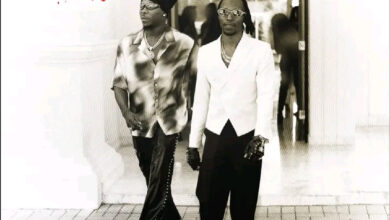
Shelbie Chongo, popularly known as 76 Drums, is carving out his own space by pushing Zambian music in a direction that remains deeply rooted in the country’s culture while embracing a sound and visual identity capable of reaching audiences beyond Zambia.
His music is not simply about making songs. It is a deliberate showcase of Zambian identity.
From the cultural elements incorporated into his music videos to the traditional instruments woven into his production, 76 Drums continues to bring aspects of Zambia’s heritage into a contemporary musical space.
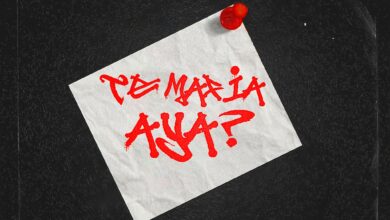
His visual storytelling adds another dimension to the music. Creative graphics, distinctive editing and carefully constructed visuals give his videos a character of their own, creating an experience that goes beyond the audio.
MUSIC THAT COMES WITH A VISUAL IDENTITY
One of the striking elements of 76 Drums’ work is the relationship between his music and visuals.
Rather than simply using a music video to accompany a song, his graphics, editing and visual effects help build an atmosphere around each release. The imagery becomes part of the storytelling, giving audiences another way to experience the music.
And lately, the artist has been turning up the heat.
His recent releases, including “40 Ng’ombe,” “Beauty Station” and “Ba Doro,” have generated conversations among music lovers, with each release further establishing his distinctive musical identity.
There is an almost explosive quality to the sound—a fusion of traditional Zambian elements, modern production and a willingness to experiment.
The result is music that feels rooted in Zambia while carrying an ambition to travel beyond the country’s borders.
NOT AFRAID TO TAKE RISKS
What makes 76 Drums particularly interesting is his apparent willingness to take creative risks.
At a time when artists can easily follow sounds that are already popular, he appears more interested in developing his own musical and visual lane.
That approach extends beyond sound.
He is exploring not only how Zambian music can sound, but also how it can look and feel.
His work demonstrates that embracing Zambian culture does not necessarily mean remaining tied to the past. Traditional sounds can be reimagined, cultural identity can be presented in contemporary ways, and experimentation can take place without abandoning one’s roots.
COULD 76 DRUMS AND SAMPA THE GREAT COLLABORATE?
As his work continues to attract attention, some music lovers are beginning to ask another question: Why has 76 Drums not yet collaborated with fellow Zambian creative force Sampa the Great?
Both artists have demonstrated an interest in creative experimentation and incorporating elements of Zambian identity into their artistic work.
A collaboration between the two would therefore be an intriguing possibility for fans who appreciate music that pushes beyond conventional boundaries.
For now, it remains a question for the artists themselves—but the speculation highlights the growing interest in creative voices willing to explore new possibilities within Zambian music.
A SOUND WITH GLOBAL AMBITIONS
With his music, visuals and unapologetic embrace of Zambian culture, 76 Drums is building more than a catalogue of songs.
He is developing a sound and visual identity that presents another way for Zambian music to introduce itself to the world.
Whether that journey leads to international recognition remains to be seen, but one thing is increasingly clear: 76 Drums is experimenting, taking risks and putting Zambian identity at the centre of his creative expression.
And as the Zambian music scene continues to evolve, artists willing to experiment may play an important role in determining what the country’s next sound looks—and sounds