Robby G Number 1 Speaks Out on Zambia’s Music Industry,Lack of Support And Witchcraft

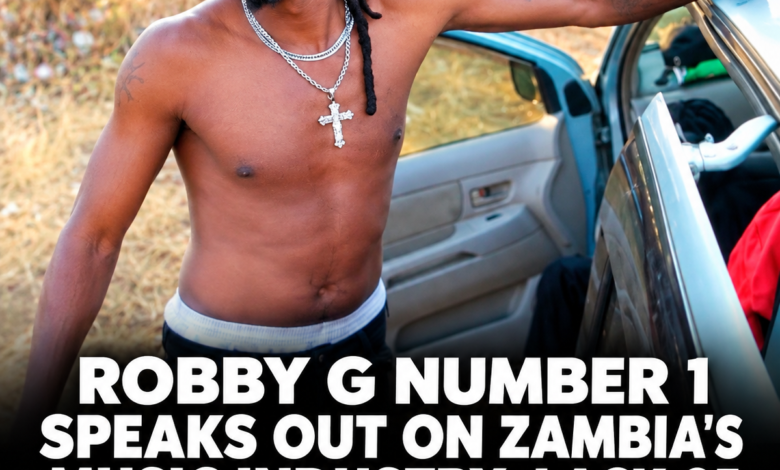
The artist, popularly remembered for songs such as Kenduro and Mage, made the remarks during an appearance on Prime TV’s Yu Vibes, where he discussed his musical journey, the challenges he has faced and his position in Zambia’s competitive entertainment industry.
Robby G, who says he has been involved in music since around 2000, reflected on a career that gained considerable attention over the years, particularly from 2013 onwards.

Despite producing music that continues to resonate with sections of the public, he questioned why artists with enduring songs and strong street appeal often struggle to receive recognition from major industry platforms.Veteran Zambian musician Robby G Number 1 has opened up about what he describes as a lack of recognition and financial support for artists whose music carries deeper messages and reflects everyday realities.
The artist, po
ROBBY G QUESTIONS INDUSTRY RECOGNITION
One of the major issues raised during the interview was what Robby G sees as the industry’s tendency to overlook musicians whose work does not necessarily follow popular commercial trends.
He pointed to the continued popularity of songs such as Kenduro and Mage, arguing that music can have a lasting cultural impact without necessarily receiving major award nominations or invitations to prominent festivals.
He also mentioned other artists, including Ren J and Yoram Maloto, in discussing what he considers a wider problem affecting musicians whose contributions may not receive sufficient institutional recognition.
For Robby G, the issue goes beyond personal disappointment. It raises questions about how Zambia identifies, celebrates and supports the artists who have contributed to the country’s musical history.
THE CONTROVERSY SURROUNDING HIS MUSICAL STYLE
The interview also touched on rumours and perceptions surrounding Robby G’s career, including claims that his unconventional and deeply reflective musical style may have contributed to his perceived isolation from the mainstream industry.
He addressed the subject while discussing the challenges of remaining authentic in an environment where commercial success and industry relationships can influence an artist’s opportunities.
Rather than abandoning his creative identity to follow popular trends, Robby G appears determined to continue making music that reflects his experiences and perspectives.
ARE ZAMBIANS REALLY SUPPORTING LOCAL MUSIC?
Another interesting part of the conversation centred on the difference between online appreciation and actual financial support for local musicians.
Robby G questioned whether fans who praise artists on social media also make the effort to purchase their music, stream their songs or support their projects financially.
His argument highlights a challenge facing many independent musicians: public recognition does not always translate into the financial resources needed to sustain a music career.
While fans may leave encouraging comments and share songs online, artists still need consistent financial support to fund recordings, music videos, promotion and performances.
CONTINUING WITHOUT STRONG INDUSTRY BACKING
During the discussion, the artist also spoke about his creative process, music-video concepts and the effort required to keep producing music despite what he described as a lack of financial backing and proper management support.
Although the host observed that Robby G appeared disconnected from the mainstream music circuit, the musician maintained that he continues working on his craft.
His experience raises broader questions about the opportunities available to independent artists and whether the Zambian music industry does enough to support musicians outside its most commercially visible circles.
Ultimately, Robby G Number 1’s appearance on Yu Vibes has brought attention to an important conversation about recognition, authenticity, financial support and the treatment of veteran musicians.
His message challenges both industry stakeholders and music fans to look beyond social media popularity and consider the practical support required to keep local music alive.
For Robby G, making meaningful music is not simply about chasing trends. It is about remaining true to his identity, even when the recognition and support he believes artists deserve remain difficult to secure.