
Forgiveness vs Marriage: The Conversation Social Media Is Having
Can Someone Change and Still Be Rejected for Marriage? A Growing Online Debate

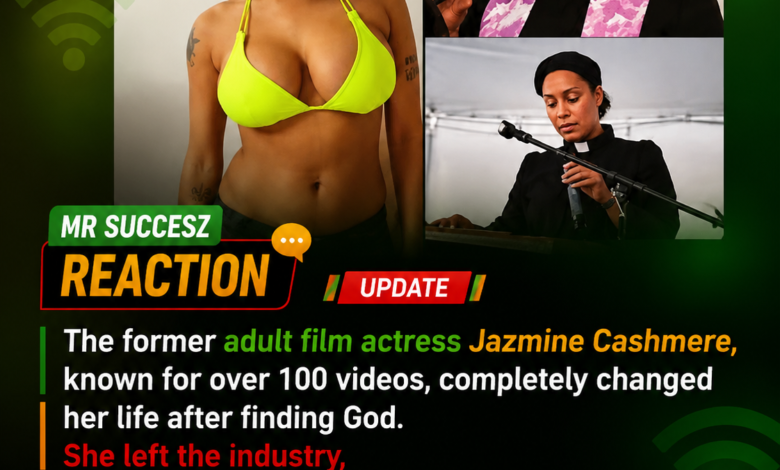
Opinion: Forgiveness Does Not Automatically Mean Marriage
The concepts of forgiveness, redemption, and personal transformation are deeply rooted in many religious traditions. Most faith communities teach that people can change, learn from their mistakes, and begin new chapters in life. However, an important question often emerges when discussing relationships and marriage: Does forgiveness automatically mean someone is entitled to be accepted as a marriage partner?
Many people would argue that the answer is no.

A person may genuinely transform their life, abandon harmful behaviors, and embrace new values. That transformation deserves recognition and respect. However, personal growth does not eliminate another person’s right to make independent decisions about who they choose to marry.
Marriage is one of the most significant commitments a person can make. It involves emotional, financial, spiritual, and family considerations that extend far beyond forgiveness alone. While faith may encourage individuals to forgive others, it does not necessarily require them to enter into a lifelong relationship with someone whose history, values, or life experiences do not align with their own preferences or convictions.
Supporters of this view argue that there is a distinction between judging a person’s worth and evaluating compatibility for marriage. Choosing not to pursue a relationship with someone is not always an act of condemnation. In many cases, it may simply reflect personal standards, life goals, or concerns about long-term compatibility.
Critics, however, caution against defining people solely by their past mistakes. They argue that genuine transformation should be given meaningful consideration and that individuals should not be permanently stigmatized for choices they have sincerely moved beyond.
The debate ultimately highlights a broader reality about relationships: every individual has the right to establish personal standards when selecting a spouse. Just as people evaluate potential partners based on character, values, goals, faith, and lifestyle, they may also consider a person’s history as part of that decision-making process.
What remains important is that such decisions are made respectfully. Personal preferences should not become excuses for humiliation, harassment, or public shaming. Likewise, personal transformation should not be used as a basis for demanding acceptance or entitlement to a relationship.
In the end, forgiveness and marriage are two separate concepts. Forgiveness may be freely given, but marriage remains a personal choice that each individual must make according to their own values, beliefs, and vision for the future.