Opinion: Allegations of Judicial Bias Spark Debate Over Zambia’s Democracy
By Thandiwe Ketiš Ngoma
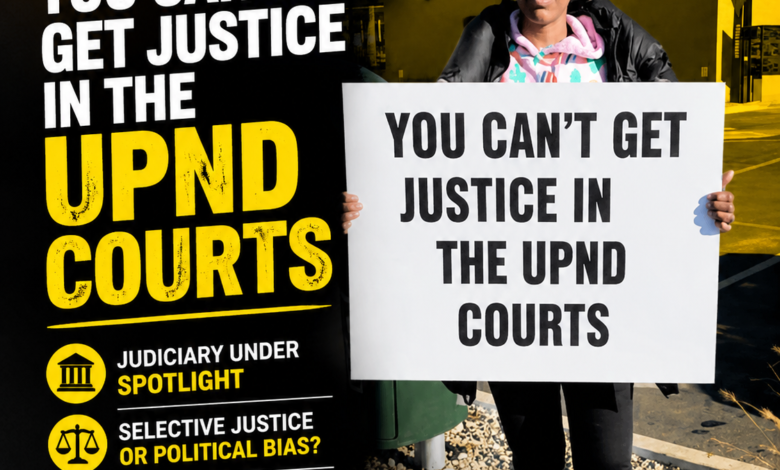
As Zambia approaches a critical electoral period, public debate over the independence of the judiciary has intensified. Critics argue that recent court decisions involving prominent political figures have raised concerns about consistency, fairness, and equal application of the law.

The author contends that several recent rulings have created a perception that politically connected individuals have received more favorable treatment than opposition figures. Among the cases highlighted are those involving former Matero Member of Parliament Miles Sampa, Christian Democratic Party president Dr. Dan Pule, Liberal Democrats Party presidential candidate Xavier Chungu, and former Nkana MP Binwell Mpundu.
According to the opinion expressed by the author, the decision to adjourn proceedings involving Mr. Sampa until after the elections contrasts sharply with rulings affecting opposition politicians, some of whom have faced continued court proceedings or detention during the campaign period.
The commentary argues that these differing judicial outcomes have fueled accusations of selective justice and have prompted wider discussions about the role of the courts in Zambia’s democratic process.
Supporters of the judiciary, however, maintain that courts decide each case based on its individual legal merits, applicable statutes, and evidence presented before them. They reject suggestions that judicial decisions are politically motivated.
The debate over judicial independence remains one of the most significant issues in Zambia’s governance discourse. Legal experts, civil society organizations, political parties, and members of the public continue to express differing views on whether current judicial processes sufficiently safeguard the rule of law.
As the country moves closer to the general elections, confidence in public institutions—including the judiciary—is likely to remain an important subject of national discussion.
The views expressed in this article are those of the author and do not necessarily reflect the editorial position of Zambian WiFi.