
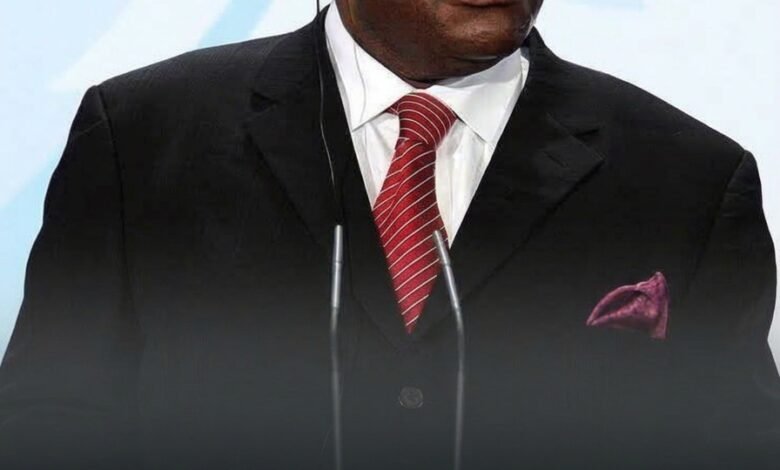
- Tenure and Leadership: Levy Patrick Mwanawasa served as the third President of Zambia from January 2002 until his passing <link_text>on August 19, 2008</link_text>. He won his initial election in December 2001 and was re-elected for a second term in September 2006.
- Debt Relief: During his administration, Zambia achieved major external debt cancellation under international initiatives like the Heavily Indebted Poor Countries (HIPC) initiative, which helped stabilize the national economy.
- Passing in Office: Mwanawasa suffered a stroke in June 2008 while attending an African Union summit in Egypt and later died at Percy Military Hospital in France, becoming the first Zambian president to die while in office.
- Constitutional Principle: Mwanawasa publicly rejected attempts or suggestions to extend presidential mandates beyond constitutional limits, emphasizing adherence to the rule of law.
Perspectives on Term Limits and Continuity
Arguments around altering term limits based on the performance of an incumbent often center on contrasting views of democracy and risk management:
- Institutional Safeguards over Individual Popularity: Proponents of strict term limits argue that constitutions are designed to govern systems of people rather than rely on the singular attributes of any one leader. Because human life and political trajectories are unpredictable, removing limits for a popular incumbent creates systemic vulnerabilities if sudden succession or political shifts occur.
- The Legacy of the Third-Term Debate: Zambia’s political history—most notably the intense divisions surrounding third-term bids in earlier administrations such as under Frederick Chiluba—established a strong public and political consensus toward respecting term ceilings to prevent the concentration of executive power.
- Debates on Performance and Continuity: Conversely, periodic political discussions in Zambia occasionally raise the question of whether exceptional economic or administrative performance should allow voters the choice to extend a leader’s time in office. Critics of this view warn that tailoring fundamental laws to fit an individual risks weakening constitutional permanence and sets a precedent that future, less benevolent leaders can exploit.